
Why Counting to 120 Matters (and How You Can Easily Practice at Home)
When your child is learning math, it might seem like counting is something they’ve already mastered—especially if they can count to 20 or even 50. But in early elementary, one of the most important goals is helping children confidently count all the way to 120.
Why does this matter so much?
Because counting is the foundation for everything that comes next.
Before children can break numbers apart (like understanding that 47 is 40 + 7), they need to truly understand how numbers flow, connect, and grow. Counting helps build that understanding in a natural and powerful way.
What Is One-to-One Counting?
One-to-one counting means your child touches or moves one object as they say each number.
For example:
Touch one cracker → say “one”
Touch the next → say “two”
Continue one number for each object
This skill is more important than it may seem. It teaches your child that numbers represent real amounts—not just words they’ve memorized.
Why Counting to 120 Helps Your Child
When your child practices counting regularly, they begin to:
Understand number order (what comes before and after)
Recognize patterns (like 21, 31, 41…)
Build confidence with bigger numbers
Prepare for addition, subtraction, and place value
Without this strong foundation, math can start to feel confusing later on.
Easy Ways to Practice at Home (No Special Materials Needed!)
You don’t need flashcards, worksheets, or anything fancy. You already have everything you need at home.
Try these simple ideas:
1. Count Everyday Objects
Have your child count:
Grapes, crackers, or snacks
Toys (cars, dolls, blocks)
Steps as they walk
2. Use “Touch and Count”
Encourage your child to move each item as they count. This builds one-to-one accuracy.
3. Count Throughout the Day
Count while cleaning up
Count while getting dressed (“Let’s count 10 socks!”)
Count items at the store
4. Practice Starting at Different Numbers
Instead of always starting at 1, try:
“Start at 32 and count to 50”
This builds flexibility and deeper understanding
5. Make It Active
Clap while counting
Jump while counting
March around the house
Movement helps learning stick!
A Simple Goal to Work Toward
Your goal is for your child to:
Count confidently to 120
Stay accurate (one number per object)
Feel comfortable with numbers beyond 100
No pressure for perfection—just steady, consistent practice.
What Comes Next?
Once your child is confident counting, they are ready to learn how numbers can be broken apart and put back together (called composing and decomposing numbers).
That’s when math really starts to “click.”
Final Encouragement
You are your child’s first and most important teacher.
The small moments __> counting snacks, toys, or steps = building a strong math foundation that will support them for years to come.
And the best part? It doesn’t require anything extra—just a little intention in your everyday routine.
Step By Step
I can count carefully!
✔ Touch one object at a time
✔ Say one number for each object
✔ Count in order (1, 2, 3…)
✔ Slow down and check my work
Example:
🍎 🍎 🍎 🍎
1 2 3 4
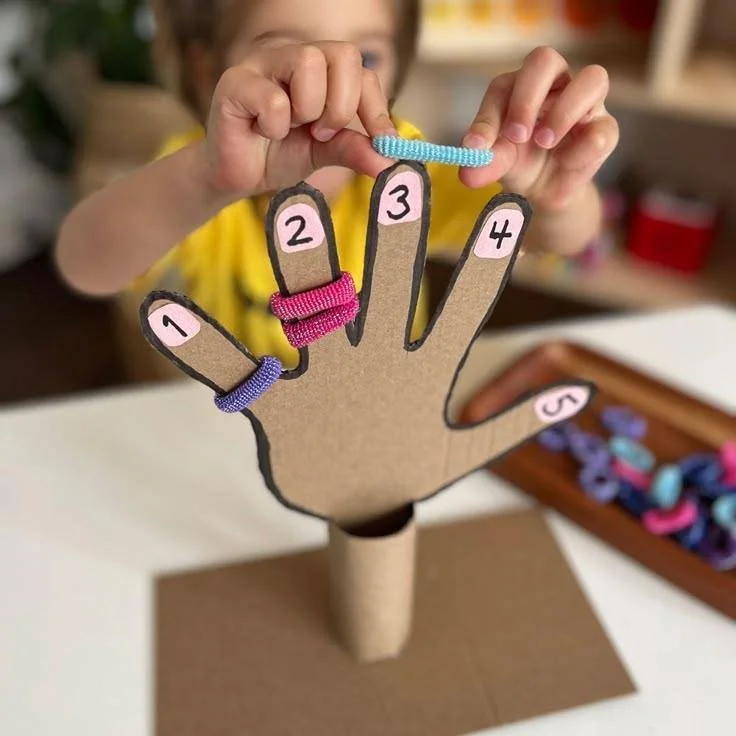
Use your child’s hand to create this fun activity to encourage number identification and one to one counting while working on fine motor skills.
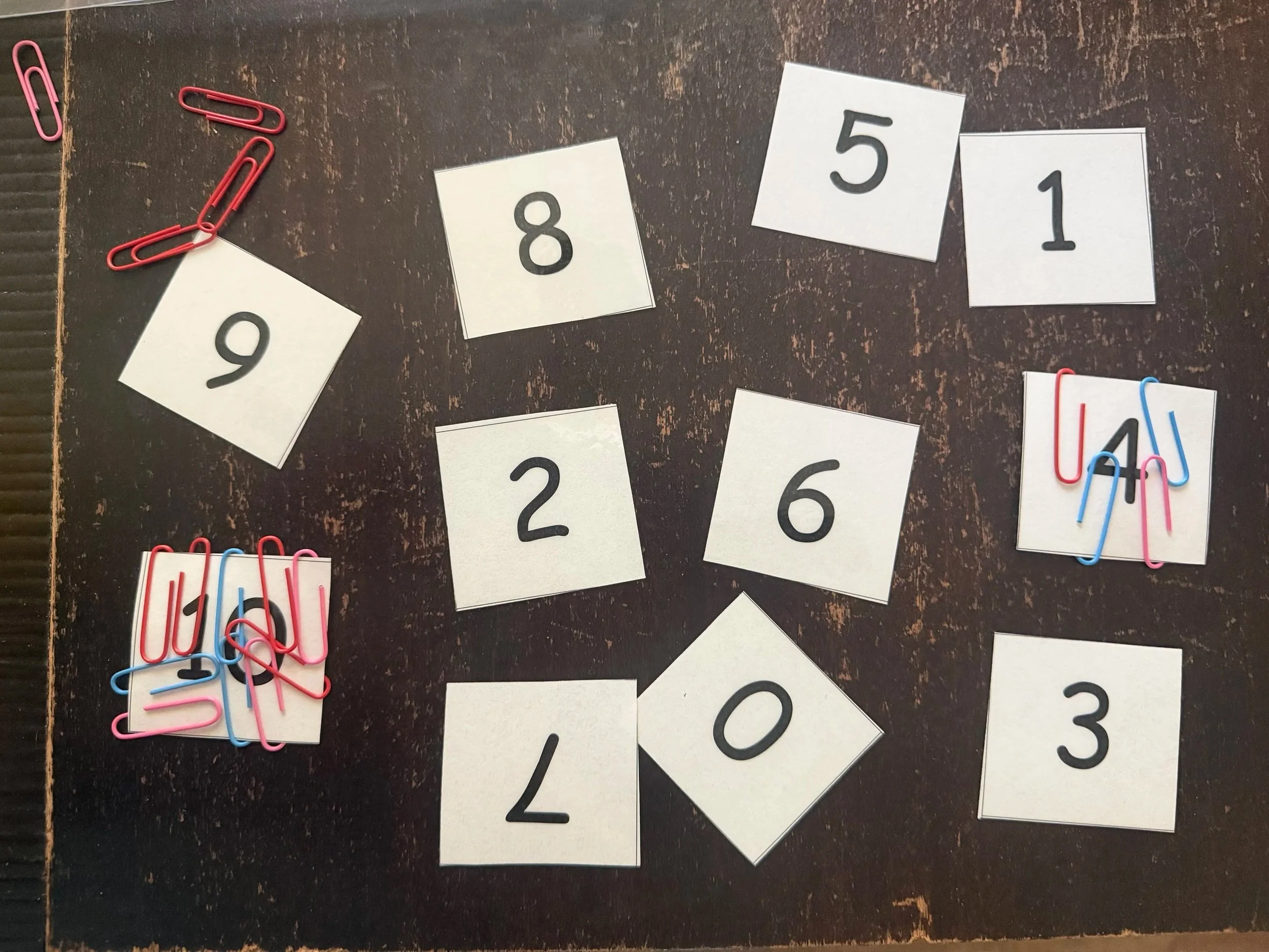
Make some number cards, grab some paperclips or clothespins and you have a one-to-one counting activity with numeral identification and fine motor practice!
👩🏫 Step-by-Step: How to Teach One-to-One Counting at Home
Keep this super simple and doable:
Step 1: Start Small
Give your child 5–10 objects (crackers, coins, toys).
Step 2: Model First
You show them:
Touch each object
Say each number slowly
Step 3: Let Them Try
Watch as they count. Gently guide if they:
Skip objects
Count too fast
Step 4: Add Movement
Have them slide each item as they count will help them keep track.
Step 5: Build Up Gradually
Once they’re confident:
Increase the number of objects
Practice counting to higher numbers
Step 6: Mix It Into Daily Life
Keep it natural and fun and not like a “lesson.”
